
Thirteen years a police officer. Now defending Ontario charges.
I laid the kind of charges I now defend, and testified in the courts I now appear in. When I read your disclosure, I know what the officer was supposed to write down — because I used to write it.
Kerlan McLean, the principal of Point Duty Traffic Court Defence & Legal Services, served with Peel Regional Police from 1989 to 2002 — mostly uniform patrol, including about two years in Court Services. He has defended Ontario traffic and criminal charges since 2002 and was licensed by the Law Society of Ontario in 2008, in the first group of paralegals licensed when the profession came under formal regulation. He handles every Point Duty file personally; where a scheduling conflict makes it impossible for him to appear, an associate paralegal or agent may attend with your consent, on terms set out in the retainer agreement before you sign it.
What the job actually was.
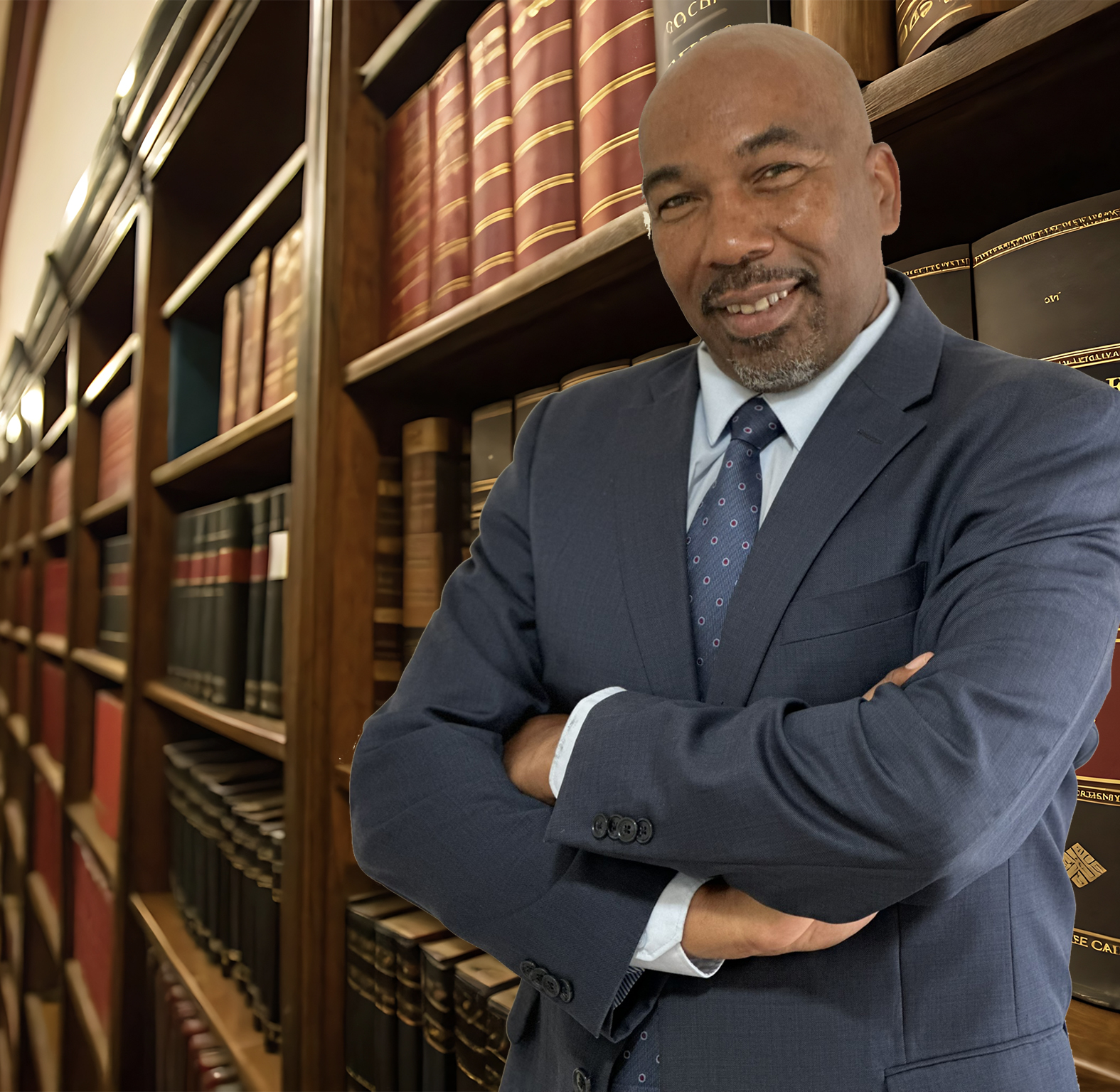
Constable, Peel Regional Police · 1989–2002
Most of those years were general uniform patrol with Peel Regional Police: calls for service, investigations, traffic enforcement, arrests, and the report writing that follows all of it. Collision investigation was routine work — collisions involving death or serious injury went to a specialized bureau.
About two of those years were spent in Court Services. That’s an unusual thing for a defence representative to have on their record, and it’s the part clients tend to find most useful. It meant seeing, daily, how a prosecution is assembled and moved through a courthouse — which files move, which stall, and why.
I testified often over those years, on traffic matters and criminal ones. What that teaches you about cross-examination is simple enough: an officer’s evidence holds up in proportion to how well prepared they are and how much detail they genuinely retain. Both are testable.
A reading is only as good as the test behind it.
I qualified on radar in 1989, was requalified during my service, and operated LIDAR in the field. The procedure I was trained on was to test the radar with a tuning fork at the start of shift and again at the end of the day, and to record it.
The failure worth looking for isn’t a mis-set device. It’s the device that was never checked at all. When Point Duty requests disclosure on a speeding or stunt driving charge, the testing record is part of what gets examined — what was done, when, and whether it was written down.
Speeding is charged under s.128 of the Highway Traffic Act, stunt driving under s.172. Both turn on a number produced by a device, and a device is only as reliable as the record behind it.
Three things I look for, because I used to write them.
What should be in the notes, and isn't
Officers differ in how they write. Some are meticulous and their notes carry the detail a court needs. Others are thin. I read disclosure for the detail that ought to be recorded and isn't — because what an officer failed to write down at the time is often what they can't reliably recall at trial.
Statements attributed to an accused
Roadside remarks are frequently recorded in an officer's notebook and later relied on. How and when those words were noted, and what was said around them, matters. I read those entries closely rather than take them at face value.
Police shorthand
Policing has its own vocabulary. Terms that carry a precise meaning inside the service can read quite differently to someone who has never worked in it — including, sometimes, to the court. Recognizing that language for what it is comes from having written it.
None of this is an argument that officers do their jobs badly. Most do them well, and a properly built file is a properly built file whoever reads it. The point is narrower: a defence that knows what a complete record looks like can tell when one is incomplete.
How a file actually runs.
The first call
Twenty minutes, free, confidential. You tell me what you were charged with and what happened. I tell you the realistic range of outcomes and what defending it costs. No obligation either way.
Retainer and filing
If you retain me, I file the request to dispute within the deadline and request disclosure from the prosecution.
Disclosure review
The work described above — the officer's notes, the device testing records, and the rest of the Crown brief, read for what is there and what is not.
Resolution or trial
Many Provincial Offences Act matters resolve at an early resolution meeting. Where the evidence has gaps worth arguing, the matter goes to trial.
Court
I appear. On the great majority of matters you don't have to. Where two appearances land on the same morning, an associate paralegal or agent may attend in my place — only with your consent, and the retainer agreement says so in writing before you sign it.
No outcome is guaranteed, and no honest representative will promise you one. Every file turns on its own evidence. What I can tell you is what the record ought to contain, and whether yours does. Most of this work happens under the Provincial Offences Act.
It was never a change of mind about the law.
The interest in criminal justice came first and never left. While serving, I studied political science and sociology part-time, intending to go on to law. Family life interrupted that plan and the degree was never finished — the defence paralegal route was the way the interest found its outlet instead.
What it produced is a perspective most representatives don’t have. Having worked both sides of a case — building them, then answering them — gives you a clear-eyed view of how a charge is put together and where it tends to be vulnerable. It also means no illusions about what a court will and won’t accept.
I work within the paralegal scope of practice set by the Law Society of Ontario, which covers traffic and provincial offences and summary conviction criminal matters. Where a matter falls outside that scope, I refer it to a lawyer.
Some clients find the background reassuring. A few find it surprising. Either way it’s worth knowing before you retain anyone: the full profile is here.
Is there a paralegal in Ontario who used to be a police officer?
- Yes. Kerlan McLean, the principal of Point Duty Traffic Court Defence & Legal Services, served with Peel Regional Police from 1989 to 2002 — thirteen years, mostly uniform patrol, including about two years in Court Services. He has defended Ontario traffic and criminal charges since 2002 and was licensed by the Law Society of Ontario in 2008, in the first group of paralegals licensed when the profession came under formal regulation.
How does policing experience help defend a speeding ticket?
- Speed-measuring devices have to be tested before the readings they produce can be relied on. Point Duty's principal qualified on radar in 1989, operated LIDAR in the field, and was trained to test radar with a tuning fork at the start and end of shift. Knowing the procedure means knowing which records should exist in disclosure — and noticing when they do not.
What does a former police officer notice in Crown disclosure?
- Chiefly what is missing. Point Duty reads officers' notes for detail that ought to be recorded and is not, examines how and when roadside statements were written down, and recognizes police shorthand that carries a precise meaning inside the service but reads differently to a court. A defence that knows what a complete record looks like can tell when one is incomplete.
Does hiring a former police officer guarantee a better outcome?
- No, and no representative should tell you otherwise. Every file turns on its own evidence. What the background provides is a faster, better-informed read of the Crown brief — knowing precisely what ought to be in the record is the difference between reading disclosure and examining it.
Why would a police officer become a defence paralegal?
- Kerlan McLean studied political science and sociology part-time while serving, intending to go on to law. Family commitments interrupted that plan, and he moved into defence work in 2002. Having worked both sides of a case — building them, then answering them — gives a wider view of how a charge is assembled and where it tends to be vulnerable.
Will Kerlan McLean personally handle my file?
- Yes. He reads the disclosure, builds the defence, and appears on the matter. The one exception is a scheduling conflict — two courts, one morning — where an associate paralegal or agent may attend in his place. That happens only with your consent, and the term is set out in the retainer agreement you sign at the outset, so it is never a surprise. The file itself stays his throughout.
Kerlan McLean · Licensed Paralegal · Law Society of Ontario licence no. P00506
Verify this licence in the LSO Directory →
Last reviewed
Have the disclosure read by someone who wrote it.
Twenty minutes, confidential, no obligation. We’ll talk about your charge, the realistic outcomes, and what defending it costs before you commit to anything.